
Learn Our Story
YWCA Duluth opened its doors in 1893, the same year that Ghandi displayed his first act of civil disobedience.
Peace and equanimity were in the air.
The five justice pillars we organize from today — democratic, economic, gender, immigration and racial justice — are woven throughout our story. Read through parts of it below and click here for the whole timeline!

YWCA Duluth offered classes in typing, bookkeeping and domestic service for girls and women entering the job market. Every third girl in the state of MN between the ages of 16-20 was a wage earner. [economic justice]
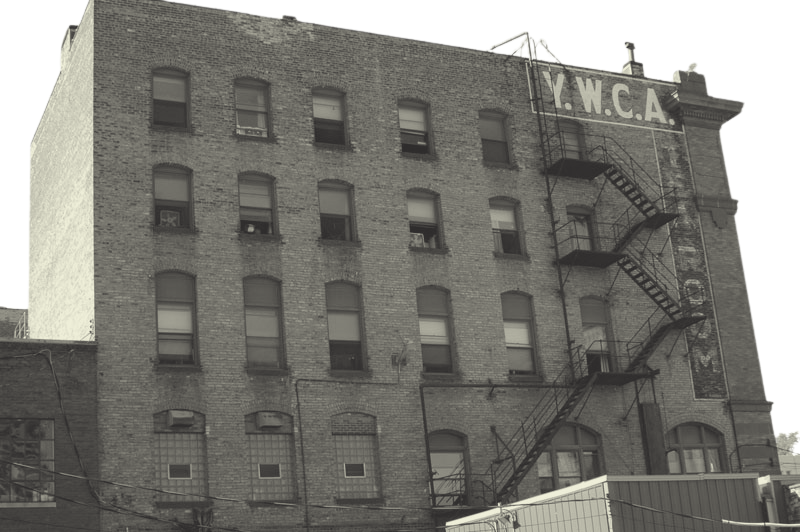
The main YWCA Duluth building at 202 West 2nd Street in Duluth was built at a cost of $130,000. It included a residence, a lunchroom, a pool and fitness area and meeting rooms.
YWCA Duluth sponsored a Traveler’s Aid and offered housing, English classes and information about employment to immigrant girls and women. An average of 700 trains per month were met at the Duluth Depot. [immigration justice]
YWCA Duluth established the International Institute to meet the needs of recently arrived immigrants. Multilingual, local female workers taught immigrant families English and employment skills and worked to provide a warm welcome to Duluth. [immigration justice]
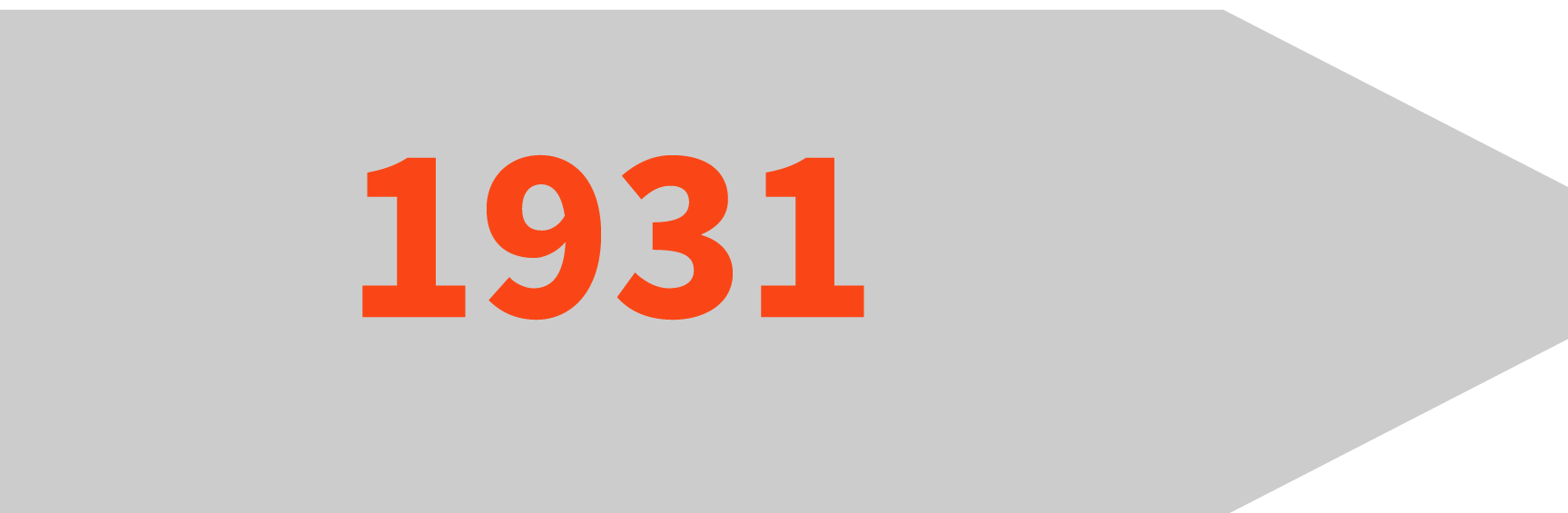
Concerns over the prospect of war led YWCA Duluth to look at new ways to reduce unemployment among women and girls — helping women find jobs as far away as Chicago. [economic justice]

YWCA Duluth hosted the International Folk Festival to learn about and celebrate the rich ethnic communities in Duluth. [racial justice]
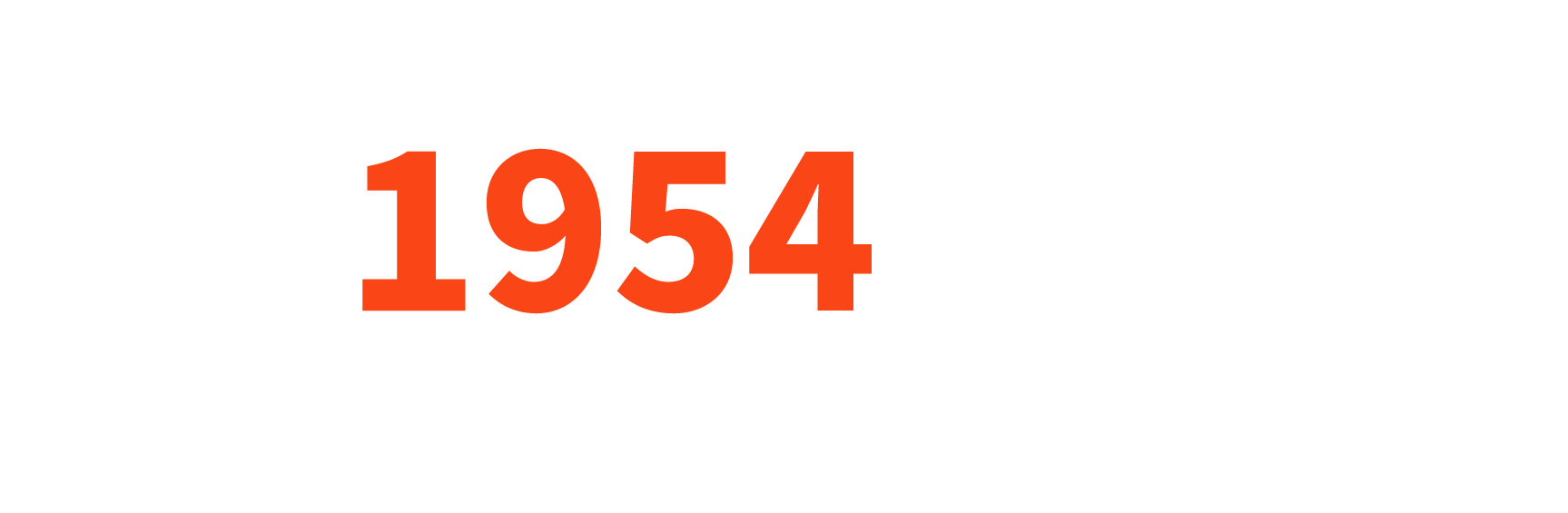
Y-Wives, a social service club for young married women, was organized in Duluth. Clubs for working girls, teens and golden age groups were formed out of the Y-Wives club.
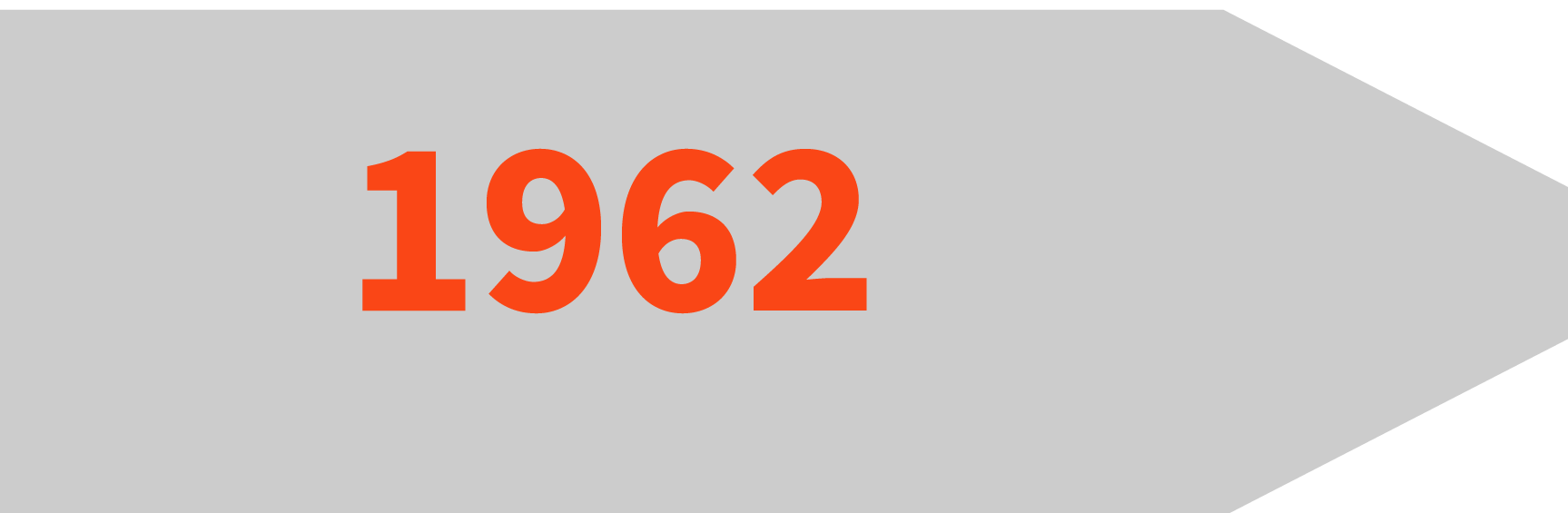
The Arrowhead Council, headed by the Director of YWCA Duluth, was established to address wage and training issues for the equality of working women. [economic justice]

YWCA Duluth established the Big Sister’s Program to connect girls to women mentors for positive role modeling, building confidence and creating supportive friendships for youth. [gender justice]
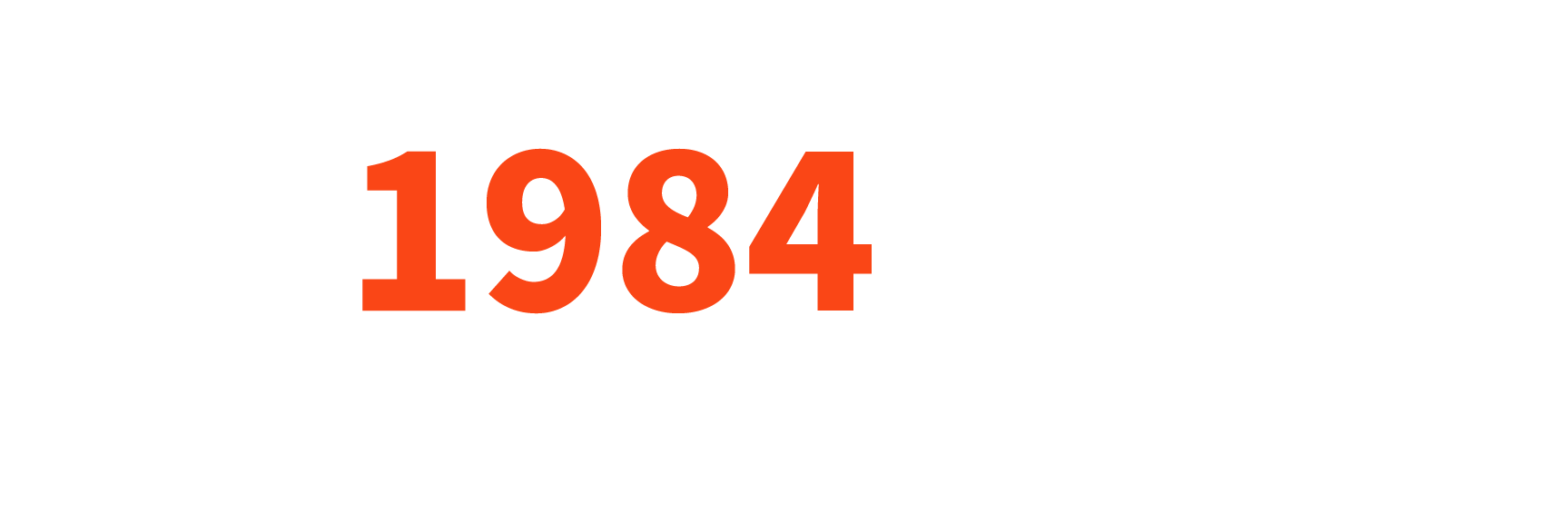
Longtime Duluth resident Betty Brasgala began a Mother’s Day Walk/Run event and included YWCA Duluth as its community partner. The event included a women-only race.
YWCA Duluth established a Working Parent’s Resource Center, Summer Day Camp and a child care drop-in center for children aged 6-12 to support working parents. [economic justice]

YWCA Duluth opened the Spirit Valley Center in West Duluth which housed an early childhood education center and apartments for young mothers and their children who were experiencing homelessness. [economic justice]

YWCA Duluth begins to develop an anti-racist movement called the Un-Fair Campaign to challenge white residents to see their unconscious bias. [racial justice]

YWCA Duluth pilots the first regional cabinet of the Women’s Foundation of Minnesota’s Young Women’s Initiative and holds a Gender Equity Summit to create connection, build leadership skills and opportunities and build collective power. [democratic justice]


YWCA Duluth Land & Labor Acknowledgements
The YWCA Duluth building is located on the traditional, ancestral and contemporary lands of Ojibwe, Dakota and Northern Cheyenne people. A treaty signed in 1854 ceded the land from these Native nations and forced relocation off their homelands. With this land acknowledgement, we recognize the deeply rooted cultural and spiritual significance of this land for its original stewards and their living relatives today. We understand that a land acknowledgement is just one small part of supporting Native American communities. We are committed to listening, learning from and advocating for the Native people in our community.
The institutions and wealth of the United States was built with the forced labor of enslaved Africans and other immigrants. In every aspect of our current society, we see the ongoing voluntary and involuntary labor and cultural contributions of Black people. With this labor acknowledgement, we recognize the impact of this forced labor in on-going inequities and exploitation. A labor acknowledgement is just one part of supporting black and immigrant communities. We are committed to listening, learning from, and advocating for the Black and immigrant people in our community.

YWCA Duluth Core Values
-
We work to create an equitable community.
-
We make a significant impact on societal attitudes, behaviors, policies and laws to advance our mission.
-
We host brave spaces that welcome people of all creeds.
-
We advocate for all women, girls and gender expansive people to have the right to have control over their lives and bodies.
-

We believe that by working together we can accomplish more, have greater results, and find the most good.
Financials Statements
Transparency and accountability take center stage when we are working with our community foundation’s and individual donor’s money. Please see the documents below that outline how we allocate our resources and the impact that your dollars have on our 501(c)(3) organization!